Utopi (Oct 2019 - July 2020)
- Jul 9, 2020
- 3 min read
Tackling issues of sustainability within the toy industry using circular and developmental design principles.
Background: This was a final year Innovation project, tackled in a transdisciplinary team of three; two psychologists and a computer scientist. As an aunt of three, I observed the shere waste that children can produce. In addition to this, my sisters' concern after any gift-giving occasion at the number of unwanted toys in their homes. I pitched an idea to address the issue of waste caused by cheap, plastic children's toys to the cohort of Innovation students, recruited two well-suited peers and began our journey. The team took an agile approach; researching, designing and developing ways to bring awareness to and address the 'fast-consumer' attitudes of the toy-purchasing process.
Problem Statements:
A vast majority of children's toys are made from cheap, mixed materials, which makes them hard to recycle. This causes them to break easily, which leads to them being disposed of in general waste.
The gift-giving process can be anxiety-inducing for parents who are left to manage a large number or potentially unwanted toys.
Solution:

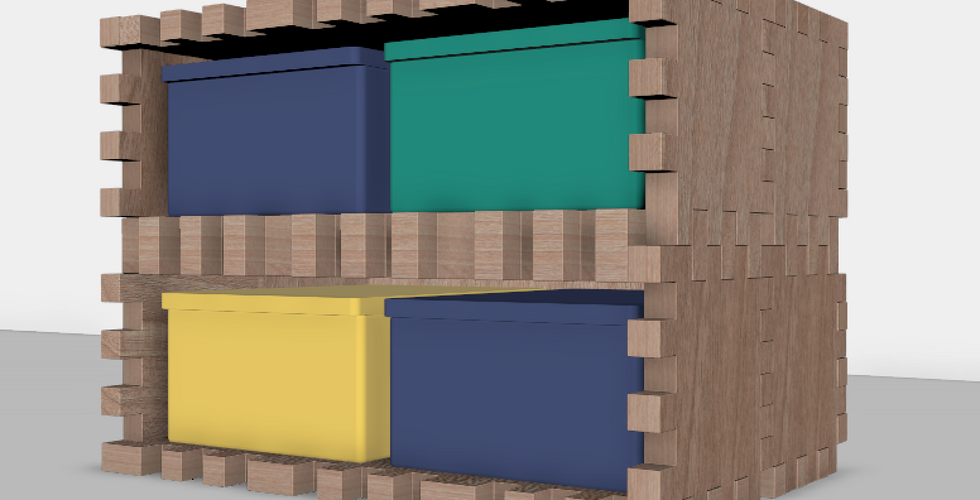





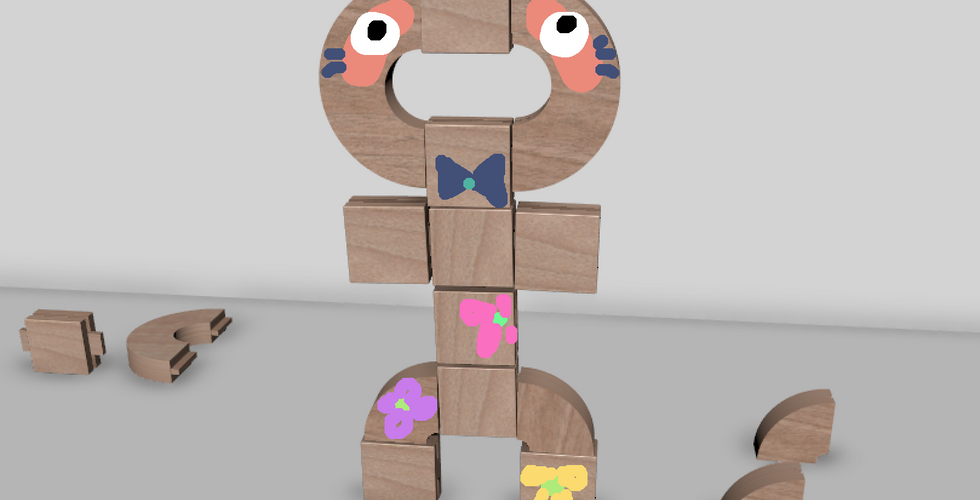



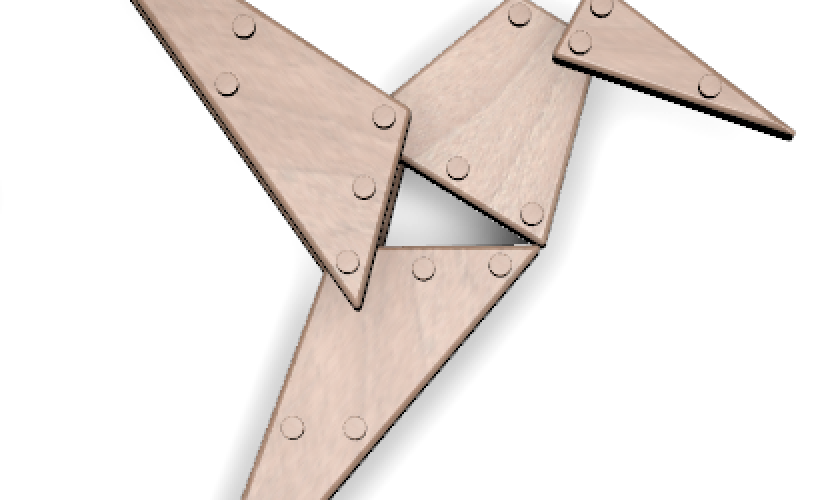
Above is a showcase of the toys we designed to address the waste crisis observed in the toy industry. The first image is a modular toy box (Utopibox), which can be used to store four add-ons as well as utilised as a toy itself. The third image is the 'core add-on', to be bought and used in combination with the Utopibox. The fourth image is Sensoovi, designed with 100% natural rubber as a sensory, motor-developing toy for infants. The sixth is the Woozle, a 2D or 3D open-ended building block game, which we were able to commission a carpenter to create (image 8). The final set of images are 'Oritopi', a slightly more complex toy for children with developed motor skills (6+), inspired by origami.
We also created a dummy website for an online store, which included features for circular returns and communal gift-giving. As well as, an 'online playground', for children to explore the toys digitally before purchase.
Process:
Secondary research:
In order to understand the subject area better I conducted extensive secondary research on the toy industry, developmental stages, waste and the environment and play. I wrote up a detailed PESTEL analysis of market trends and identified the key subjects of interest for our venture.

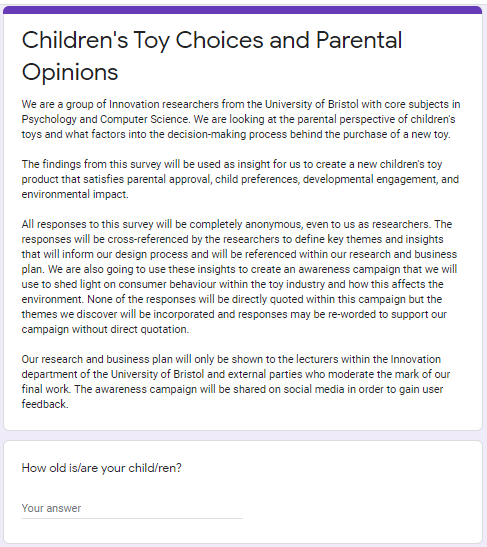

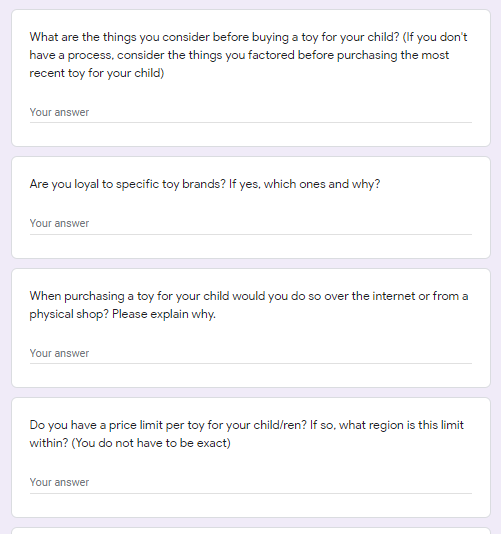

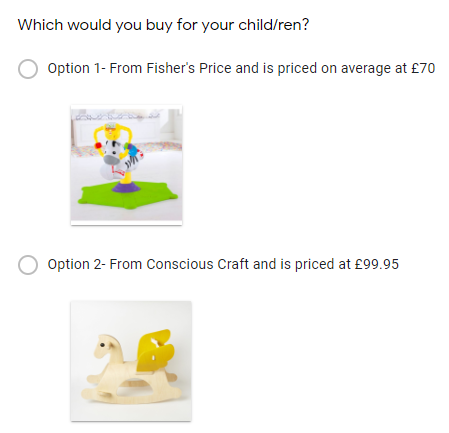

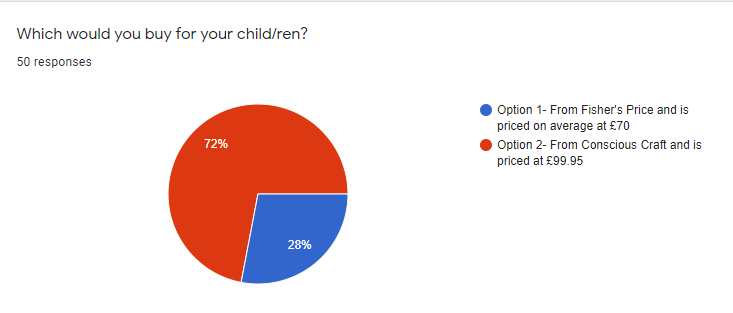

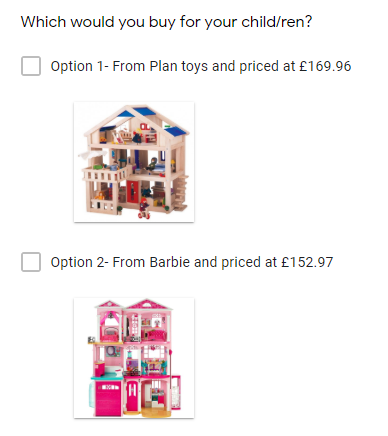

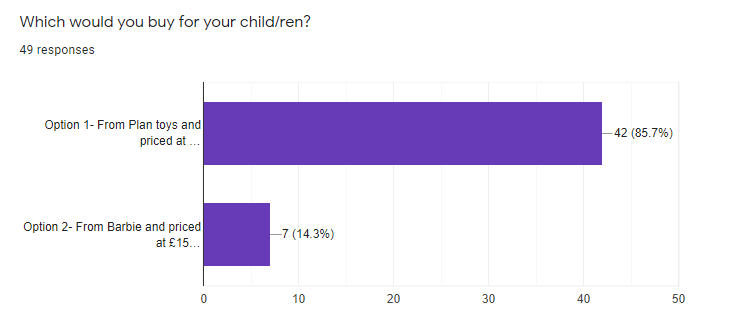

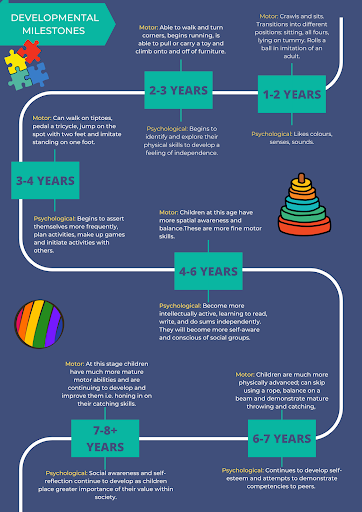



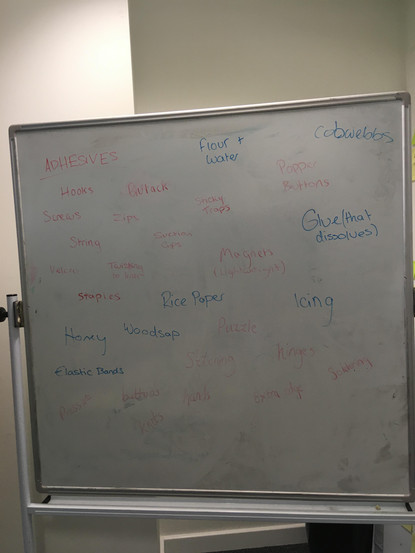


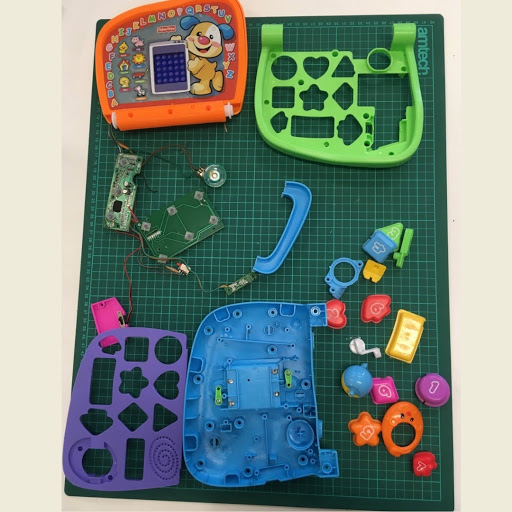


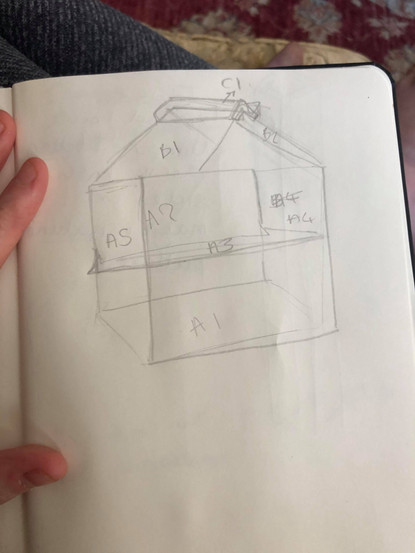


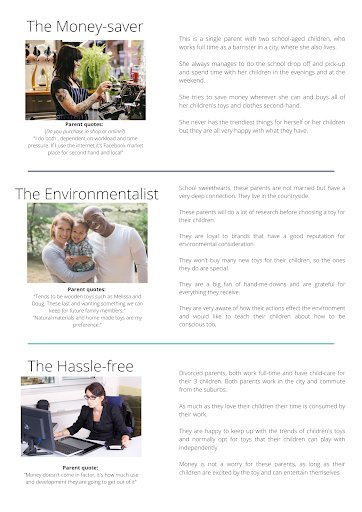

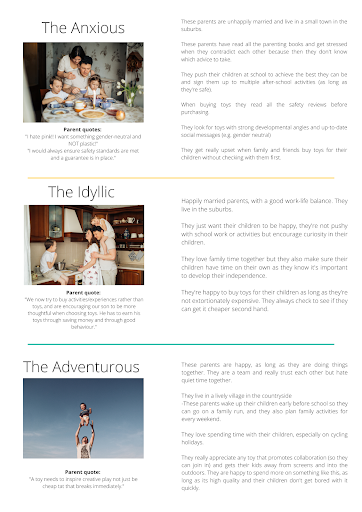


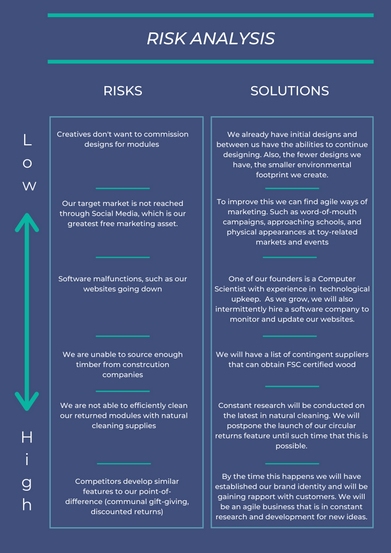



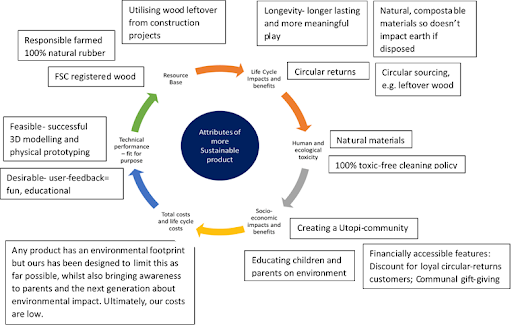


Above is a brief summary of some elements of the process that was conducted in order to reach our final idea. The images shown are: the first of three surveys- including two graphs of anonymous responses, summary of developmental research, brainstorming sessions for 'animal play' and 'adhesives', grouped insights, preliminary sketches, toy dissection (to understand how toys are put together and analyse the different materials used), initial box sketches, customer personas (built around the first survey responses and secondary research), initial wireframe for online shop, risk analysis, attributes of sustainability (to measure our success).
In addition to the above tools, I also designed interview questions for parents, toy industry professionals, and children. I also designed a further two surveys to test our assumptions throughout the design process, in order to achieve an agile approach.
Utopi store can be found: https://utopibox.wixsite.com/website-1
Utopi playground can be found: https://rachelkirby8.wixsite.com/utopiplayground?fbclid=IwAR18m3ltGsq-BpfD4kc5UA1ojlp74rhYgGblBPCNwui4O8mfYxdtulxTFBY
Final project report can be downloaded below:
The Skills I will use for this project:
Leadership skills
Collaborative working
Ethical considerations
Recruitment
Communication skills (in-person and online)
Adaptability
Research methods- primary and secondary
Research study design
Data analysis
Identifying insights
Market research


Comments